Have a question?
Message sent Close

Propulsion Systems

The Propulsion Systems module offers a comprehensive study of the mechanisms and technologies used to generate thrust and power in ... Show more
Instructor
admin
15 Students enrolled
0
0 reviews
  • Description
  • Notice
  • Reviews
image_2024-08-21_024455392

The Propulsion Systems module offers a comprehensive study of the mechanisms and technologies used to generate thrust and power in various vehicles, particularly aircraft and spacecraft. This module blends theoretical concepts with practical applications, providing students with the knowledge and hands-on experience necessary to understand, analyze, and design propulsion systems.

Key Topics Covered:

Theory Module

  1. Fundamentals of Propulsion:

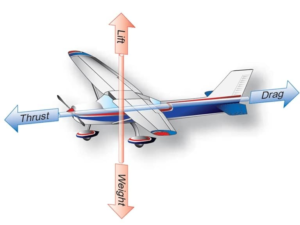
    • Basic Principles of Thrust: Newton’s third law and conservation of momentum.
    • Propulsion Types: Overview of different propulsion systems, including chemical, electric, and hybrid systems.
    • Energy Conversion: Principles of converting fuel energy into mechanical work or thrust.
  2. Thermodynamics of Propulsion:

    • Energy Cycles: Analysis of thermodynamic cycles (Otto, Brayton, and Rankine cycles) in propulsion.
    • Heat Transfer: Study of heat exchange processes in engines.
    • Combustion Processes: Chemical kinetics and combustion in propulsion systems.
  3. Aircraft Propulsion:

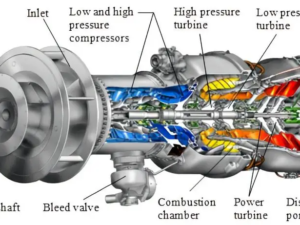
    • Jet Engines: Turbofan, turbojet, and turboprop engines; components, operation, and performance.
    • Propeller-Driven Engines: Principles of piston engines and propellers, including propeller aerodynamics.
    • Thrust Augmentation: Techniques such as afterburners and thrust vectoring.
  4. Spacecraft Propulsion:

    • Chemical Rockets: Solid, liquid, and hybrid rocket propulsion systems.
    • Electric Propulsion: Ion thrusters, Hall-effect thrusters, and other electric propulsion technologies.
    • Advanced Propulsion Concepts: Nuclear propulsion, solar sails, and plasma-based systems.
  5. Propulsion System Design and Performance:

    • Component Design: Inlets, compressors, turbines, nozzles, and combustion chambers.
    • Performance Metrics: Specific impulse, thrust-to-weight ratio, and efficiency.
    • Environmental Impact: Emissions, noise, and sustainability in propulsion.
  6. Propulsion Integration:

    • Aircraft Integration: Engine placement, nacelle design, and aerodynamic considerations.
    • Spacecraft Integration: Engine integration, structural considerations, and mission-specific requirements.

Practical Module

  1. Engine Testing and Performance Evaluation:

    • Test Rigs: Setting up and operating engine test rigs for evaluating thrust, fuel consumption, and efficiency.
    • Data Acquisition: Recording and analyzing data from engine tests, including temperature, pressure, and thrust measurements.
    • Performance Optimization: Adjusting engine parameters to optimize performance metrics.
  2. Computational Fluid Dynamics (CFD) for Propulsion:

    • Simulation of Flow through Propulsion Components: Analyzing flow through compressors, turbines, and nozzles.
    • Combustion Modeling: Simulating combustion processes within engines.
    • Thrust and Efficiency Predictions: Using CFD tools to predict and improve engine performance.
  3. Rocket Engine Design and Testing:

    • Small-Scale Rocket Design: Designing and building small-scale chemical rockets.
    • Static Testing: Conducting static tests to measure thrust and assess engine performance.
    • Propellant Handling and Safety: Understanding the safe handling and use of rocket propellants.
  4. Propulsion System Integration:

    • Engine-Airframe Matching: Analyzing the integration of propulsion systems with aircraft or spacecraft structures.
    • Thermal Management: Addressing heat dissipation and thermal control in propulsion systems.
    • System-Level Testing: Simulating and testing propulsion systems as part of a complete vehicle.
  5. Advanced Propulsion Experiments:

    • Electric Propulsion: Experimenting with ion thrusters and Hall-effect thrusters in a vacuum chamber.
    • Thrust Measurement: Techniques for measuring low-thrust levels typical of electric propulsion.
    • Innovative Propulsion Concepts: Exploring experimental technologies such as plasma thrusters or solar sails.

Learning Outcomes:

Upon completing this module, students will be able to:

  • Understand the principles and operation of various propulsion systems for both aircraft and spacecraft.
  • Analyze and evaluate the performance of propulsion systems using theoretical models and experimental data.
  • Design and optimize propulsion system components for improved efficiency and performance.
  • Conduct experiments and use computational tools to assess and enhance propulsion technologies.
  • Address the challenges of integrating propulsion systems into vehicles while considering environmental and operational constraints.

This module is suitable for students in aerospace, mechanical, and automotive engineering programs who wish to specialize in propulsion systems or deepen their understanding of advanced propulsion technologies.

The Target Audience

The Propulsion Systems module is targeted towards advanced undergraduate and graduate students in engineering programs, particularly those specializing in:

  • Aerospace Engineering
  • Mechanical Engineering
  • Automotive Engineering
  • Naval Architecture and Marine Engineering
  • Energy Engineering

Additionally, this module is well-suited for professionals and researchers seeking to deepen their understanding of propulsion technologies or those transitioning into roles that require expertise in propulsion systems. The module is ideal for students who have a strong foundation in fluid dynamics, thermodynamics, and mechanical systems, and who are interested in pursuing careers or research in fields such as aircraft and spacecraft design, automotive powertrain development, and energy systems engineering.

What You Will Learn Under This Course.

  • Turbine engines
  • Engine indication systems

For More Details

Schedule and Cost


Weekly

Evenings Mon to Fri 6-8.30 pm 

Ghc1000 per module (2 months)


Weekends, 

Saturday 9 to 4 pm; Sunday 2-6 pm 

Ghc1000 per module


Types of Programmes

  • Evening and weekend

  • Block release

  • Pre-employment

  • Special requests from formal and informal sectors and short courses for industry/commerce

  • Coursework/project support for those enrolled in tertiary education


LOCATION: Yellow Container, Obom Road - Kasoa - Ghana

1000
Course details
Duration 2 Months
Video -
Level Advanced
2 months
Location: Kasoa

Archive

Working hours

Monday 6:00 pm - 8.30 pm
Tuesday 6:00 pm - 8.30 pm
Wednesday 6:00 pm - 8.30 pm
Thursday 6:00 pm - 8.30 pm
Friday 6:00 pm - 8.30 pm
Saturday 9:00 am - 4:00 pm
Sunday 2:00 pm - 6:00 pm

Archive

Working hours

Monday 6:00 pm - 8.30 pm
Tuesday 6:00 pm - 8.30 pm
Wednesday 6:00 pm - 8.30 pm
Thursday 6:00 pm - 8.30 pm
Friday 6:00 pm - 8.30 pm
Saturday 9:00 am - 4:00 pm
Sunday 2:00 pm - 6:00 pm

Archive

Working hours

Monday 6:00 pm - 8.30 pm
Tuesday 6:00 pm - 8.30 pm
Wednesday 6:00 pm - 8.30 pm
Thursday 6:00 pm - 8.30 pm
Friday 6:00 pm - 8.30 pm
Saturday 9:00 am - 4:00 pm
Sunday 2:00 pm - 6:00 pm
This website uses cookies and asks your personal data to enhance your browsing experience. We are committed to protecting your privacy and ensuring your data is handled in compliance with the General Data Protection Regulation (GDPR).